
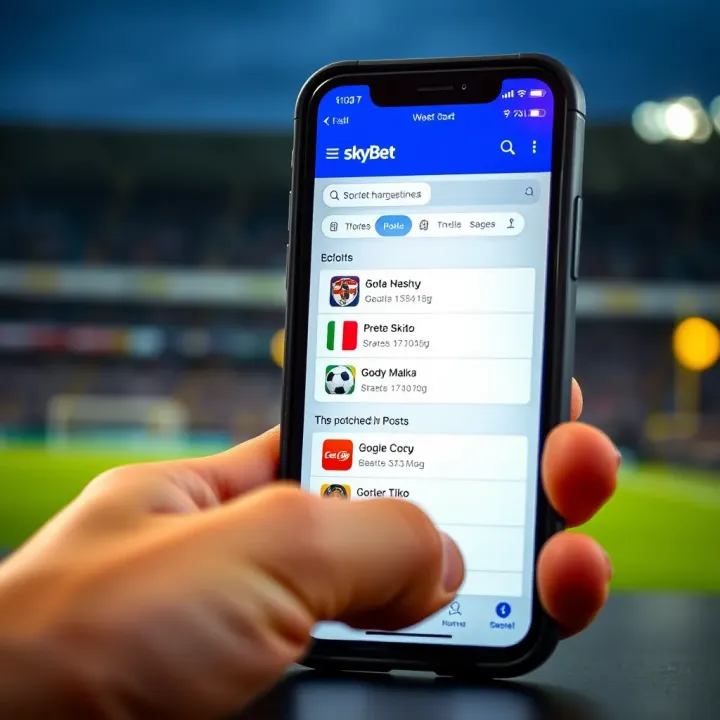
Old SkyBet Mobile Lite App: Features and Status
Discover how the old SkyBet mobile lite app worked for Nigerian sports bettors ⚽📱, its limitations on local devices, why it was replaced, and the best alternatives today.
Edited By
Laura Simpson
In 2013, Skybet launched its mobile app, marking an important step for online sports betting with mobile access becoming increasingly vital worldwide. Back then, the Nigerian market was just beginning to get familiar with mobile betting platforms. The 2013 Skybet app offered a straightforward way to place bets on football, horse racing, and other popular sports, adopting a simple design suited for smartphones common at the time.
The app’s interface was uncluttered, prioritising quick navigation and easy bet placement rather than flashy graphics or overwhelming animations. This approach suited many Nigerian users facing network issues or limited data plans, allowing decent speed and usability even on 3G networks. Bet slip management and live betting were available, though less developed than today's standards.
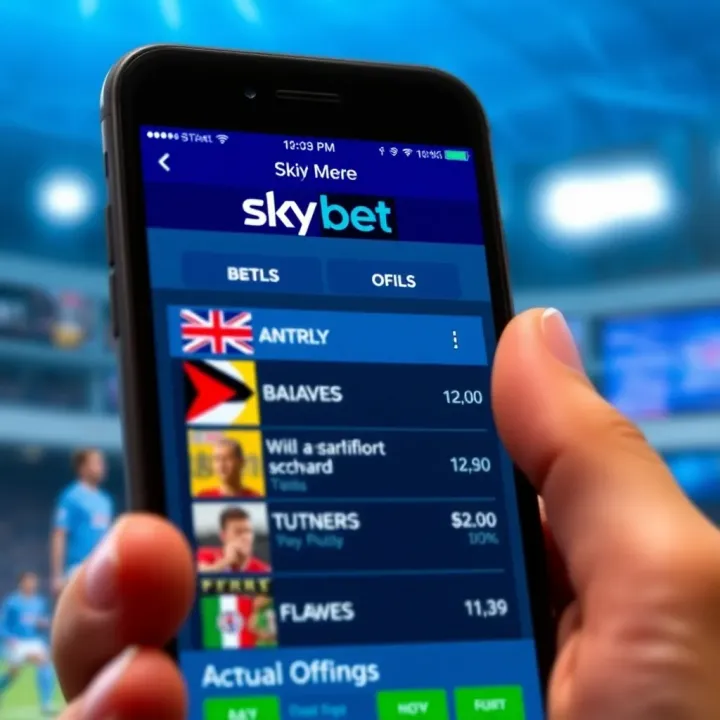
Skybet’s 2013 platform used basic HTML5 and early native app technologies that focused on compatibility with Android and iOS devices then on the market. It lacked some advanced features flavoured by later iterations—for example, in-play betting was functional but limited compared to now, and push notifications were just gaining traction.
The old Skybet app gave Nigerian bettors a familiar, no-frills platform to get started with mobile bets.
That year, the focus was on core betting features:
Quick bet placement with touch-friendly buttons
Simple account management and deposits
Fundamental sports categories like football, rugby, and horse racing
Basic odds display with decimal formats, common among Nigerian users
Importantly, Skybet’s early app reflected the challenges of mobile infrastructure in Nigeria and other emerging markets. While global users were moving towards slick apps with video streaming and social features, Nigerians generally valued apps that didn’t drain their limited data or stall under poor connectivity.
Understanding the 2013 Skybet app sheds light on how mobile betting has adjusted to local needs and network conditions. It provides context for how far Skybet and other betting platforms have developed, evolving user interfaces, expanding betting options, and improving performance as Nigeria's mobile ecosystem matured. This historical snapshot also primes Nigerian bettors to appreciate newer Skybet versions designed for today's faster networks and more varied betting preferences.
The launch of Skybet’s mobile app in 2013 marked a defining moment for sports betting enthusiasts, especially those wanting to place bets conveniently on their phones. This introduction not only gave users access to betting markets at their fingertips but also highlighted the early steps of adapting to the mobile-first world. Understanding this app sets the stage for appreciating how mobile betting tools have changed over time and how they still influence today’s platforms.
Skybet began as part of the Sky Betting & Gaming group, quickly becoming notable for blending traditional sportsbook offerings with modern digital approaches. By 2013, Skybet was already popular in the UK for football and horse racing bets. The brand's strategy always included customer-oriented features such as competitive odds, live betting options, and responsible gambling measures. This foundation made Skybet a pioneer for mobile betting apps aiming to bring these features onto smaller screens without losing quality.
Mobile betting in the early 2010s was gaining steady ground as smartphones became more affordable and internet coverage expanded. In Nigeria and other markets, even though data costs could be high, enthusiasts were beginning to wager through mobile browsers or simple apps. Companies like Skybet noticed this growing trend. The shift away from desktop meant betting companies had to rethink user experience, focusing on speed, ease of navigation, and minimal data usage. Early adopters saw this shift as a chance to bet anywhere—on a danfo ride or while waiting at the mama put.
The 2013 Skybet mobile app was among the first to offer a dedicated betting experience designed specifically for mobile devices rather than just a scaled version of the website. It brought features like quick bet placement, live score updates, and straightforward account management to users’ palms. For the Nigerian betting crowd, especially those familiar with apps like Bet9ja and NairaBet which came around this era, it illustrated how international brands approached mobile usability. The 2013 launch helped set benchmarks, showing the value of integrating security measures like encrypted transactions suitable even for emerging markets where online trust might be low.
The rise of mobile betting apps like Skybet’s 2013 version signalled a shift in how bettors engage with sports, making them active participants anytime and anywhere.
In summary, the introduction of Skybet’s 2013 app represents more than just a product launch—it reflects the beginning of mobile betting becoming mainstream. This context helps Nigerian bettors and tech enthusiasts understand the evolution of betting platforms and the growing relevance of mobile technology in sports wagering.
The 2013 Skybet mobile app was a solid step forward in mobile betting for its time. Understanding its key features helps appreciate how far mobile betting technology has come, especially for users in Nigeria where mobile internet and smartphones began to spread widely around that period. The app combined practical design with useful betting options and basic security, catering to early adopters of mobile betting.
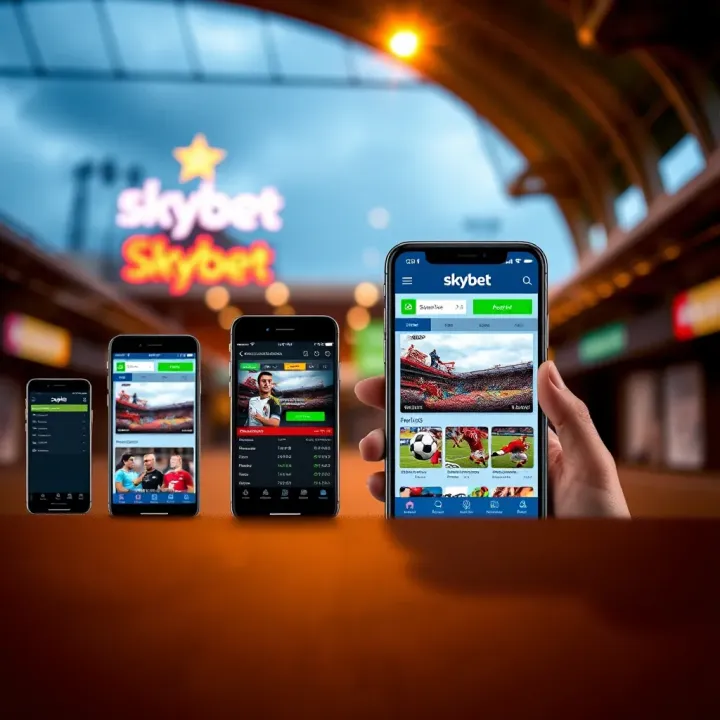
The interface of the 2013 app was straightforward and uncluttered, which suited the limited screen sizes and lower processing power of smartphones popular then. Unlike today’s slick and richly animated apps, it used simple menus, large buttons, and clear icons that made navigation easy even for new users. For example, when accessing football matches, you could quickly jump between different leagues without needing to scroll endlessly, an important feature given the smaller screens.
This straightforward design reduced loading times, particularly important in regions with slower mobile data speeds like Nigeria back then. The minimalistic approach also meant users could place bets quickly without unnecessary distractions, helping to keep focus on essential features.
Skybet’s app in 2013 focused heavily on football but also covered horse racing, tennis, and a few other popular sports. The betting markets were basic compared to today’s broad offerings. Users could wager on match results, handicaps, and simple accumulators. For example, Nigerian users interested in Premier League games could easily place bets on win-draw-win outcomes or total goals.
In-play betting, though limited, was emerging, allowing users to bet during live matches but with fewer markets and slower updates than we see today. This was still a big bargain for users who wanted to react quickly to changing game situations on their phones.
For payments, the app accepted credit and debit cards, which provided convenience but posed challenges for Nigerian users who relied more on alternative payment methods. Although limited, this was typical of the period before widespread mobile money services.
Security-wise, the app used SSL encryption to protect user data during transactions, aligning with early industry standards. While two-factor authentication was not common, Skybet implemented username and password controls with occasional security prompts to reduce fraud. This helped establish some trust among users cautious of mobile financial transactions.
The 2013 Skybet app was built for simplicity and accessibility, focusing on core betting needs while ensuring users could place wagers securely and swiftly—even in places with infrastructure challenges like Nigeria at the time.
In summary, Skybet’s 2013 mobile app laid down fundamentals for modern betting through clean design, essential markets, and basic security. This gave early mobile bettors in Nigeria an accessible platform that balanced ease and reliability, shaping user expectations for what mobile betting could offer moving forward.
Understanding the technical side of the 2013 Skybet mobile app is essential to appreciate how it served users in its early days and where it stood against the backdrop of rapid mobile technology change. Compatibility with devices and efficient performance directly affect user experience, especially for sports bettors who rely on quick access and seamless navigation to place bets in real time.
Back in 2013, the Skybet app was primarily designed for popular platforms such as iOS and Android, but its reach was somewhat limited compared to today’s standards. It supported major devices like the then-new iPhone 5 and Samsung Galaxy S3, which were common among serious mobile users in Nigeria and abroad. However, many users with older, less powerful Android phones or feature phones found it challenging to run the app smoothly, which restricted access for the wider betting community.
The app’s reliance on native development for iOS and Android meant it couldn’t easily cross over to other less common operating systems like Blackberry OS or Windows Phone, which were still in use in certain segments at that time. For Nigerian users, mobile data affordability and device variety meant many held on to older smartphones or used mid-range models from brands such as Tecno or Infinix, which sometimes lacked the processing power to load the app without hiccups.
In 2013, mobile internet in Nigeria was slowly expanding, but 3G was still the dominant network, with many areas lacking full 4G coverage. Skybet's app was optimised to run on these network speeds, with a lightweight architecture that reduced page load times and data consumption — crucial given the often costly nature of mobile data bundles.
The app used compressed images and a simplified interface to keep data use minimal. For example, placing bets and checking results required fewer taps and less data than many other apps then. Still, occasional lags and slow loading times were reported, especially during peak football match days when millions tried to access the platform simultaneously.
Besides speed, the app’s battery usage was also a consideration. Older smartphones, common in Nigeria, had limited battery stamina, so the app’s energy management kept it from draining battery quickly, allowing users to stay connected longer without running to recharge.
For Nigerian bettors in 2013, striking a balance between app performance and data costs was critical, making these technical choices by Skybet relevant and practical.
In summary, the 2013 Skybet mobile app reflected the mobile tech realities of that period. Its support for mainstream smartphones and optimised data usage made it accessible to many but with clear limitations rooted in the devices and network infrastructure available then. Comparing this to today’s apps, where 4G and 5G dominate with far more powerful smartphones, highlights how far mobile betting technology has advanced.
Looking back at the 2013 Skybet mobile app alongside its modern counterparts offers valuable insights into how mobile betting has evolved. It’s not just about flashing new graphics or extra features; the comparison highlights practical improvements that affect Nigerian bettors directly, from usability to payment ease and market options.
Since 2013, Skybet's app has transformed significantly in terms of user interface and navigation. The older app often felt clunky, with small fonts and limited responsiveness, especially on devices common in Nigeria back then. Today’s version boasts a clean, responsive design optimised for various screen sizes, including entry-level smartphones popular in Lagos or Abuja. Features like quick bet placement and intuitive menus reduce the clicks needed, a real convenience for users balancing betting with everyday hustle.
The introduction of personalised feeds has also improved user experience. Modern apps can suggest bets based on previous activity and popular sports in Nigeria, such as football leagues from the NPFL (Nigerian Professional Football League) or international tournaments. These upgrades cut waiting time and streamline decision-making.
Payment systems in the 2013 app focused mostly on card payments and basic bank transfers, which sometimes caused delays for Nigerian users due to local banking restrictions and slower confirmation rates. Now, Skybet supports diverse, local payment methods like USSD codes, mobile money wallets, and integrations with platforms like Paystack and Flutterwave. This inclusion is a breath of fresh air as many Nigerian bettors prefer mobile payment solutions given the widespread smartphone usage and variable bank access.
Security standards have risen too. Modern apps implement end-to-end encryption and biometric authentication, addressing concerns around fraud that were more common in earlier days. Nigerian users can now bet with more peace of mind, knowing their transactions and personal details have stronger protection.
The 2013 app had a narrower range of betting markets, mostly covering popular football leagues and a handful of other sports. Today, the market variety has expanded greatly. Nigerian bettors can wager on live in-play events, virtual sports, and even esports tournaments, reflecting broader shifts in global and local betting interests.
Additionally, features like cash-out options, bet builders, and live streaming have been introduced over time. These additions not only increase engagement but also give Nigerian users better control over their betting experience, allowing them to manage risks or enjoy matches more interactively.
Comparing the old and new Skybet apps isn't just about nostalgia; it reveals how betting firms have responded to technological advances and local market demands, especially in dynamic environments like Nigeria.
This look back sets a foundation to appreciate how mobile betting continues to evolve, shaped by user feedback, regulatory changes, and tech progress, making betting more accessible and user-friendly for many Nigerians today.
The 2013 version of Skybet’s mobile app holds particular interest for Nigerian users because it reflects the early phase of mobile betting technology that coincided with Nigeria’s own rapid adoption of smartphones and mobile internet. Understanding the app’s design and functionality from that period helps Nigerian bettors appreciate how betting platforms evolved alongside local market conditions and consumer behaviour. For example, the simplicity and lower data needs of the 2013 app suited Nigerians who were commonly dealing with limited data plans and slower 3G networks at the time.
In the early 2010s, Nigeria was just catching up with the global mobile betting surge. The rise of affordable Android smartphones made betting accessible to many youths outside Lagos and Abuja, reaching towns and rural areas. Mobile network providers like MTN and Glo expanded 3G coverage, making online betting platforms more reachable. Popular betting companies began offering basic mobile sites and apps that required minimal bandwidth, as many users relied on costly, low-data plans. Betting through mobile money services and card payments was still new, with a majority preferring cash transactions through agents or local shops.
During this period, sports like football and athletics dominated betting markets, reflecting local interests. For instance, many Nigerian bettors followed English Premier League games obsessively and used early mobile apps like Skybet's 2013 version to place bets on matches. However, limited internet infrastructure and payment options restricted widespread use.
One key challenge Nigerian bettors faced with the 2013 Skybet app was limited payment gateways compatible with local banks and mobile money services. At the time, Nigerian payment ecosystems were not fully integrated with international apps, making deposits and withdrawals cumbersome. Additionally, data costs and inconsistent network coverage could disrupt betting sessions, discouraging some users.
That said, the 2013 app's lightweight nature provided an advantage, requiring less data than today’s feature-rich versions. This was crucial in a market where steady power supply and affordable internet were scarce. Also, the app’s straightforward interface meant bettors with varying digital literacy could navigate without frustration.
For Nigerian users, apps like Skybet's 2013 version laid the foundation by adapting to local realities—offering a simple, low-data solution well before broadband and mobile payments became widespread.
With growing smartphone penetration and expanding fintech options like Flutterwave and Paystack in Nigeria by the late 2010s, modern apps built on this early framework, improving payment processing and enriching betting options. Thus, revisiting the 2013 Skybet app offers insight into how Nigerian bettors gradually transitioned from basic to more sophisticated mobile betting experiences, shaped by both global tech trends and uniquely Nigerian conditions.
Discover how the old SkyBet mobile lite app worked for Nigerian sports bettors ⚽📱, its limitations on local devices, why it was replaced, and the best alternatives today.
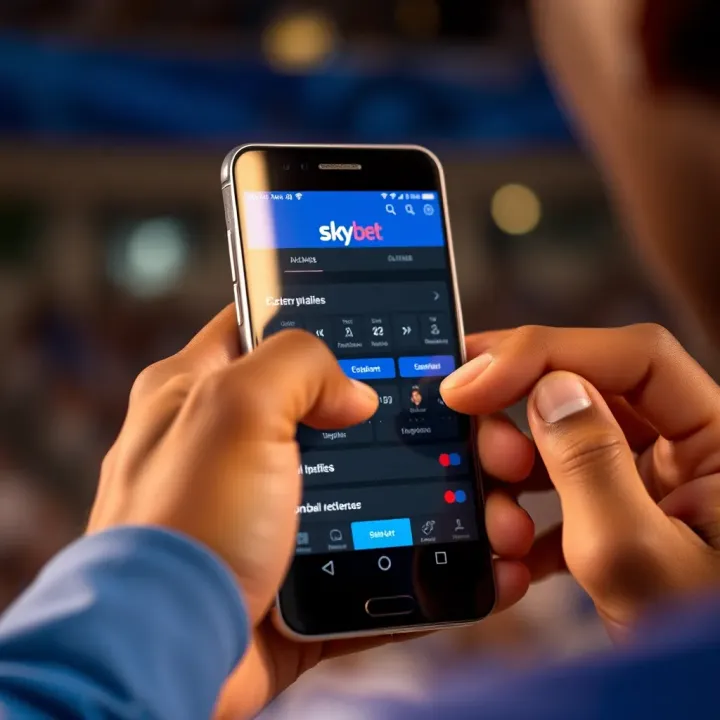
Discover how to install and navigate the SkyBet old mobile booking app in Nigeria ⚽. Get tips on smooth betting, app troubles, and feature comparisons 📱.
Discover SkyBet App Kenya 📱: easy registration, local payment options, smooth betting experience, and reliable support for Kenyan sports fans 🇰🇪. Bet smart and win big! 💰
Keep your SkyBet app updated in Nigeria with simple steps for Android & iOS 📱. Avoid common issues, get new features & secure your betting experience 🔒.
Based on 14 reviews